
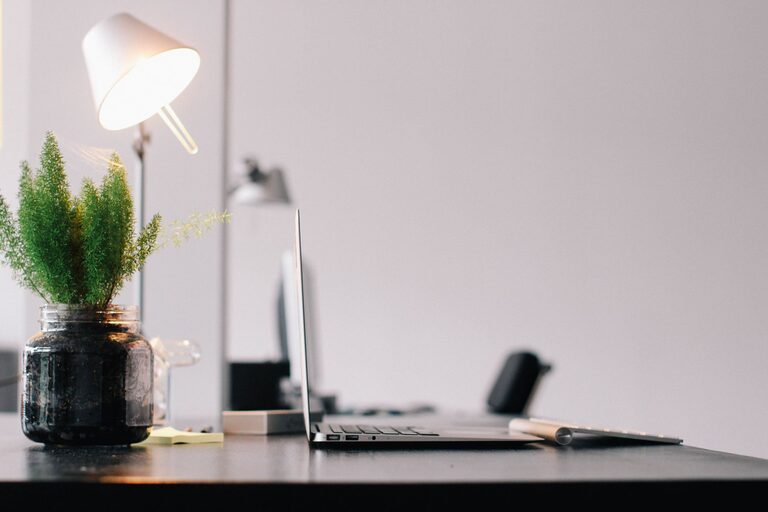
Creating a productive home office environment is essential for anyone working remotely or running a business from home. With the right setup, you can improve focus, boost motivation, and maintain a healthy work-life balance. This guide offers practical tips to help you design a workspace that supports your productivity and well-being.
Choose the Right Location
Finding the ideal spot for your home office is the first step toward productivity. Look for a place that is quiet, free from distractions, and has enough space for your equipment.
– Natural light: A workspace near a window can improve mood and reduce eye strain.
– Privacy: Choose an area where you can close the door or signal when you need uninterrupted work time.
– Accessibility: Make sure your office is easy to reach, but separate enough from high-traffic areas.
Invest in Comfortable Furniture
Comfort is key to staying focused and avoiding physical discomfort during long work hours.
– Ergonomic chair: Select a chair that supports your back and encourages good posture.
– Adjustable desk: Consider a desk with adjustable height to switch between sitting and standing.
– Proper desk size: Ensure your desk has enough surface area for your computer, paperwork, and other essentials without clutter.
Optimize Lighting and Ambiance
Lighting directly affects your ability to concentrate and your overall comfort.
– Layered lighting: Combine natural light with task lighting such as desk lamps to reduce glare.
– Avoid harsh lights: Use bulbs that mimic daylight rather than overly bright or dim lighting.
– Personal touches: Add plants, artwork, or decor that inspires you without becoming distracting.
Organize Your Workspace Efficiently
A tidy and organized desk helps reduce stress and streamlines your workflow.
– Declutter regularly: Remove items you don’t need daily to keep the workspace clear.
– Storage solutions: Use shelves, drawers, or organizers to store documents and office supplies.
– Cable management: Keep wires neat and out of sight to avoid tripping hazards and visual mess.
Establish Daily Routines and Boundaries
Creating good habits and clear boundaries can increase your productivity and protect your personal time.
– Set consistent work hours: Begin and end your day at regular times.
– Designate breaks: Schedule short breaks throughout the day to rest your eyes and stretch.
– Communicate boundaries: Let family members or housemates know your work schedule to minimize interruptions.
Use Technology to Your Advantage
The right tools can enhance your efficiency and help keep you organized.
– Reliable internet: Ensure your connection is fast and stable to avoid disruptions.
– Productivity apps: Utilize calendars, task managers, and note-taking apps suited to your workflow.
– Noise-cancelling headphones: If noise is an issue, headphones can help you focus.
Pay Attention to Air Quality and Temperature
A comfortable environment supports your health and concentration.
– Ventilation: Keep windows open when possible or use air purifiers for fresh air.
– Temperature control: Adjust heating or cooling to a comfortable level, ideally between 68°F and 72°F.
– Houseplants: Adding greenery can improve air quality and create a calming atmosphere.
Personalize Without Overdoing It
Your home office should reflect your style but remain a professional and distraction-free zone.
– Balance decor: Add items that motivate you, like photos or quotes, but avoid clutter.
– Color choices: Colors like blue and green tend to be calming, while yellow can stimulate creativity.
– Comfort items: Consider a cozy blanket or cushion to maintain comfort during long hours.
Stay Active Throughout the Day
Physical activity plays an important role in maintaining energy and reducing stress.
– Stretch breaks: Stand up and stretch every hour to avoid stiffness.
– Movement: Incorporate short walks or exercises before, during, or after your workday.
– Workspace design: If possible, arrange your office to include standing desks or space for quick workouts.
—
Conclusion
Designing a productive home office involves more than just putting a desk in a quiet corner. By considering lighting, comfort, organization, technology, and your personal routines, you can create a space that supports focus and efficiency. Whether you’re working remotely full-time or need a spot for occasional tasks, these tips can help you make the most of your home office. With thoughtful planning, your workspace will become a place where productivity and well-being go hand in hand.