
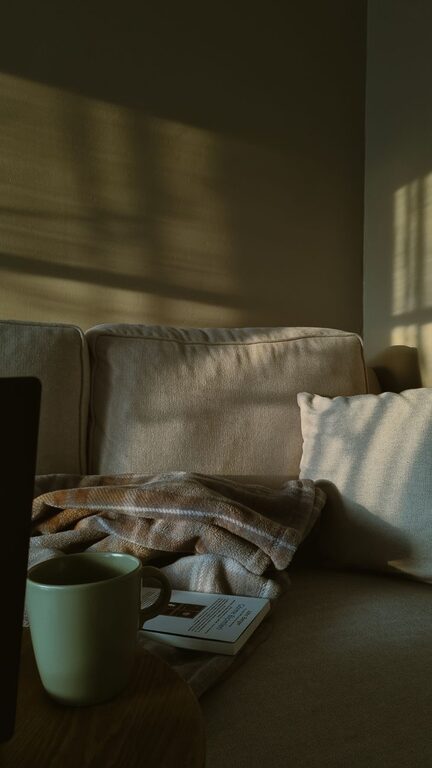
Creating a relaxing home environment is essential for maintaining your well-being in today’s fast-paced world. Your home should be a sanctuary where you can unwind, feel peaceful, and recharge. With a few thoughtful adjustments, you can transform your living space into a calming retreat that supports your mental and emotional health. In this post, we’ll explore practical tips to help you create a soothing home environment that nurtures your well-being.
Why a Relaxing Home Matters
Your surroundings have a significant impact on your mood and stress levels. A cluttered or chaotic space can increase anxiety, while a calm and organized environment promotes relaxation and clarity. By designing your home with tranquility in mind, you encourage positive habits like mindfulness, restful sleep, and overall balance.
Declutter and Simplify
One of the quickest ways to make your space feel more relaxing is to declutter. Excess stuff can be overstimulating and distracting. Here are some steps to get started:
– Sort and donate: Go through your belongings and separate items you no longer need. Donate or recycle them to reduce clutter.
– Use storage solutions: Invest in baskets, shelves, or bins to keep things organized and out of sight.
– Maintain daily: Spend a few minutes each day tidying up to prevent overwhelm.
A tidy home feels more open and peaceful, helping your mind settle after a busy day.
Choose Calming Colors
Colors influence how we feel. For a soothing atmosphere, consider incorporating soft, neutral tones like:
– Light blues
– Soft greens
– Warm beiges
– Gentle grays
These hues evoke feelings of calm and serenity. If you prefer vibrant colors, balance them with muted accents so they don’t feel too stimulating.
Bring in Nature
Natural elements can greatly enhance relaxation. Consider adding:
– Houseplants: They purify air and add a touch of greenery.
– Natural light: Open curtains and blinds during the day to let sunlight in.
– Natural materials: Use wood, stone, or cotton in your furniture and décor.
Connecting with nature inside your home encourages calmness and promotes a positive mood.
Create Cozy Spaces
Designate areas in your home specifically for relaxation. These might include:
– A reading nook with comfortable seating and good lighting
– A meditation corner with cushions and calming décor
– A cozy spot near a window to enjoy your morning coffee or tea
In these spaces, keep distractions to a minimum. Add soft blankets, pillows, or scented candles for extra comfort.
Use Soothing Scents
Aromatherapy can be a powerful tool for relaxation. Popular calming scents include:
– Lavender
– Chamomile
– Eucalyptus
– Vanilla
Use essential oils in a diffuser, light scented candles, or add dried herbs to sachets. These fragrances help reduce stress and create a peaceful ambiance.
Minimize Noise
Noise pollution can disrupt relaxation and sleep. To minimize unwanted sounds:
– Use rugs, curtains, and upholstered furniture to absorb noise.
– Consider white noise machines or calming music to mask disruptive sounds.
– Double-glazed windows can reduce outside noise if it’s a significant problem.
A quieter home environment helps ease the mind and improve focus.
Incorporate Soft Lighting
Bright fluorescent lights can feel harsh and unwelcoming. Instead, use:
– Warm-colored LED bulbs
– Lamps with dimmer switches
– String lights or fairy lights for gentle ambiance
Soft lighting creates a cozy atmosphere that signals your brain to relax.
Establish a Relaxing Routine
Your environment works best when paired with habits that promote well-being. For example:
– Set aside time each evening to unwind without screens.
– Practice gentle stretches or meditation in your relaxation space.
– Enjoy a warm bath with calming scents before bed.
Creating consistent routines around your calming areas reinforces their purpose and benefits.
Keep Technology in Check
While devices are part of modern life, too much screen time or cluttered cables can disrupt your space’s peaceful vibe. To help:
– Create charging stations out of sight.
– Limit screen use in designated relaxation zones.
– Use apps that encourage mindfulness or calming sounds.
Balancing technology use supports your goal of a relaxing home.
Personalize Your Space
Finally, make your home a reflection of you. Add personal touches that bring joy and comfort, like:
– Photos of loved ones
– Favorite artwork
– Meaningful objects or mementos
These elements help you feel connected to your space and promote a sense of belonging.
—
By implementing these tips, you can create a home environment that feels inviting, peaceful, and nurturing to your well-being. Small changes can lead to big improvements in how you feel each day. Start with one or two ideas that resonate and build from there. Your relaxing home retreat is just a few thoughtful steps away!