
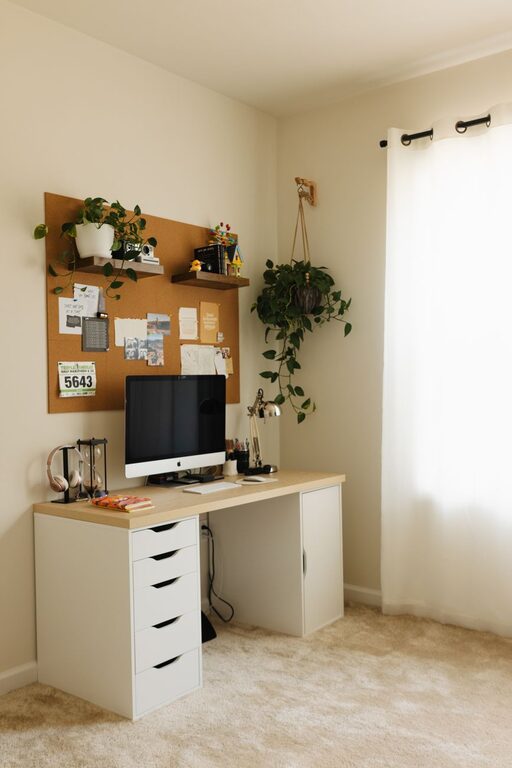
Creating a relaxing home office environment is essential for maintaining focus, reducing stress, and boosting productivity. Whether you work remotely full-time or occasionally need a quiet space for tasks, your workspace should feel comfortable and inviting. Here are some practical tips to help you design a home office that supports both relaxation and efficiency.
Choose the Right Location
Consider Natural Light
Whenever possible, set up your office near a window. Natural light helps improve mood and energy levels, making your workspace more pleasant. Avoid harsh glare on computer screens by positioning your desk thoughtfully.
Minimize Distractions
Select a quiet area at home where you won’t be frequently interrupted. If you don’t have a separate room, create boundaries with room dividers or curtains to signal when you are in “work mode.”
Invest in Comfortable Furniture
Ergonomic Chair and Desk
A comfortable, adjustable chair supports your posture and reduces strain during long hours. Pair this with a desk at the right height to prevent hunching or reaching. Consider desks with adjustable heights if you prefer switching between sitting and standing.
Add Support Accessories
Footrests, wrist pads, and monitor stands can further improve comfort. These small additions help maintain good ergonomics and reduce fatigue.
Personalize Your Workspace
Use Soothing Colors
Colors impact mood, so opt for calming tones like soft blues, greens, or neutrals. You can paint the walls or add accessories and decor in these colors to create a tranquil atmosphere.
Incorporate Personal Touches
Include items that feel meaningful to you, such as artwork, plants, or framed photos. Personal touches can make your office feel welcoming and encourage creativity, but keep clutter to a minimum.
Optimize Lighting
Combine Ambient and Task Lighting
Good lighting reduces eye strain and helps keep you alert. Use a mix of ambient lighting, such as ceiling lights or floor lamps, and task lighting like desk lamps for focused illumination.
Avoid Harsh or Flickering Lights
Choose warm or natural LED bulbs to create a cozy environment. Flickering or overly bright lights can cause headaches and disrupt your concentration.
Keep It Organized
Use Storage Solutions
Clutter can be distracting and stressful. Use shelves, file organizers, and drawer dividers to keep supplies in order. Labeling can save time when searching for materials.
Maintain a Clean Desk
At the end of each workday, spend a few minutes tidying your desk. A clean space helps clear your mind and prepares you for the next day.
Incorporate Nature
Add Indoor Plants
Plants improve air quality and add life to any room. Choose low-maintenance varieties like snake plants, pothos, or succulents that need minimal care but brighten the space.
Consider Natural Elements
Use wooden furniture or decor with natural textures to bring warmth and grounding to your office.
Manage Noise Levels
Use Noise-Canceling Headphones or White Noise
If you can’t control external sounds, noise-canceling headphones or a white noise machine can help minimize distractions.
Soft Textiles Absorb Sound
Adding rugs, curtains, or cushions can reduce echo and ambient noise, making the space more peaceful.
Create a Relaxation Zone
Designate a Small Break Area
If space allows, add a comfortable chair or small couch where you can take short breaks. Stretching or sitting away from your desk can reduce stress and refresh your focus.
Use Aromatherapy
Consider using a diffuser with calming essential oils like lavender or eucalyptus. Aromatherapy can create a soothing environment and help maintain a relaxed mood.
Establish a Routine
Set Work Hours
Define clear start and end times for your workday. Creating structure helps separate work time from personal time, preventing burnout.
Take Scheduled Breaks
Regular breaks improve productivity. Use techniques like the Pomodoro method to work in intervals with short pauses to rest.
—
By thoughtfully designing your home office with comfort, organization, and calming elements, you can create a space that supports both relaxation and productivity. Remember, your workspace should be a reflection of your needs and preferences, so feel free to experiment and adjust until you find the perfect balance.